Blog
Door Lock Corrosion in Coastal Florida: Why It Happens + Fix
Living in coastal Florida offers beautiful beaches and warm weather, but it also presents unique challenges for home maintenance, especially for your door locks. Door lock corrosion in Florida is a common issue, primarily due to the high humidity and salty air, which can significantly shorten the lifespan of your locking mechanisms. Understanding why this happens and what steps you can take to prevent and fix it is crucial for maintaining your home’s security and saving on costly repairs.
This comprehensive guide will delve into the specific environmental factors in Florida that contribute to lock corrosion, explain how different lock materials react, and provide practical solutions for prevention and repair. Whether you’re dealing with a sticky deadbolt, a discolored doorknob, or a completely seized lock, we’ll cover everything you need to know to protect your investment and ensure your home remains secure.
Understanding Door Lock Corrosion in Florida: The Environmental Impact
Florida’s unique climate, characterized by high temperatures, relentless humidity, and proximity to saltwater, creates an ideal environment for corrosion to thrive. These elements relentlessly attack metal components, turning once-smooth locking mechanisms into gritty, dysfunctional parts. Understanding these environmental factors is the first step in effective prevention.
High Humidity: The Silent Enemy
The average relative humidity in Florida often hovers between 70% and 90%, significantly higher than the national average. According to the National Weather Service, humidity levels above 60% accelerate metal oxidation, which is the primary cause of rust and corrosion. When moisture in the air condenses on metal surfaces, it creates a thin film of water that acts as an electrolyte, facilitating the chemical reaction between oxygen and the metal. This process is particularly aggressive in unventilated areas or during periods of heavy rainfall, trapping moisture around your locks.
Salty Air: A Coastal Hazard
For homes located near the coast in areas like Port Saint Lucie, Fort Pierce, and Jensen Beach, airborne salt particles add another layer of corrosive threat. Salt is a highly effective catalyst for corrosion. When salt particles mix with humidity, they form a saline solution that is far more corrosive than pure water. This saline mist can penetrate tiny crevices in your locks, accelerating the breakdown of protective coatings and the underlying metal. Studies by the National Association of Corrosion Engineers (NACE) indicate that structures within a few miles of the ocean experience significantly higher rates of corrosion due to salt spray.
Temperature Fluctuations and UV Exposure
While less direct than humidity and salt, Florida’s intense sun and fluctuating temperatures also play a role. High temperatures can accelerate chemical reactions, including oxidation. UV radiation can degrade protective finishes on locks, making them more vulnerable to moisture and salt. The expansion and contraction of metal due to temperature changes can also create micro-fissures, allowing corrosive elements deeper access into the lock’s internal mechanisms.
Common Types of Corrosion Affecting Door Locks
Corrosion isn’t a single phenomenon; it manifests in various forms, each with its own characteristics and impact on door locks. Recognizing the type of corrosion affecting your locks can help in choosing the most effective treatment and preventative measures.
Rust (Red Corrosion)
This is the most common and recognizable form of corrosion, primarily affecting iron and steel components. Rust occurs when iron reacts with oxygen and moisture, forming iron oxides. On door locks, rust can appear as reddish-brown flakes or a powdery coating. It weakens the metal, causes parts to seize, and can eventually lead to complete lock failure. Many internal components of locks, such as springs, pins, and bolts, are made of steel, making them highly susceptible.
Verdigris (Green/Blue Corrosion)
Often seen on brass, bronze, and copper components, verdigris is a greenish-blue patina formed when these metals oxidize. While a thin layer of verdigris can sometimes act as a protective coating, excessive build-up can still impede the smooth operation of a lock. Many decorative elements and some lock cylinders are made from brass, making them prone to this type of corrosion in humid, salty environments.
Galvanic Corrosion
This occurs when two dissimilar metals are in electrical contact with each other in the presence of an electrolyte (like saltwater or high humidity). One metal acts as an anode and corrodes at an accelerated rate, while the other acts as a cathode and is protected. For example, if a brass lock cylinder is installed in a steel door frame and moisture is present, galvanic corrosion can occur, rapidly deteriorating the less noble metal. Manufacturers typically try to avoid this by using compatible metals or insulating them, but environmental factors can sometimes overcome these protections.
Materials Most Vulnerable to Corrosion
Not all lock materials are created equal when it comes to resisting Florida’s harsh environment. Understanding which materials are most vulnerable can help you make informed decisions when purchasing new locks or evaluating existing ones.
Steel and Iron
As mentioned, steel and iron are highly susceptible to rust. While often used for strength in internal mechanisms, exposed steel components will quickly corrode in high humidity and salt spray without proper protective coatings. This is why cheaper locks, which may use more unprotected steel, often fail first in coastal areas.
Zinc Alloys
Many budget-friendly locks and lock components are made from zinc alloys. While they offer decent strength, zinc can corrode, forming a white powdery substance. This corrosion can swell, causing moving parts to bind and the lock to seize. Zinc is particularly susceptible to saltwater corrosion.
Plated Finishes (Chrome, Nickel)
Locks often have a decorative finish (like chrome, nickel, or bronze plating) over a base metal. While these platings offer some corrosion resistance, they are only as good as their thickness and integrity. Scratches, chips, or thin plating can expose the underlying, more vulnerable metal, leading to localized corrosion and peeling of the finish.
Best Lock Materials for Coastal Florida Homes
When selecting new locks or replacing existing ones in a coastal Florida home, prioritizing corrosion-resistant materials is paramount. Investing in higher-quality locks can save you significant repair and replacement costs down the line.
Solid Brass and Bronze
Solid brass and bronze are excellent choices for coastal environments. They are naturally resistant to rust and, while they can develop a patina (verdigris), this layer often provides further protection against deeper corrosion. High-quality solid brass locks are a durable and aesthetically pleasing option.
Stainless Steel
Stainless steel, particularly marine-grade stainless steel (316L), offers superior corrosion resistance. It contains chromium, which forms a passive protective layer that resists rust and pitting, even in saltwater conditions. Many high-security and commercial-grade locks utilize stainless steel for critical components.
Advanced Coatings and Finishes
Look for locks with specialized anti-corrosion coatings. These can include clear coats, PVD (Physical Vapor Deposition) finishes, or epoxy coatings that create a barrier against moisture and salt. Even if the base metal isn’t top-tier, a robust coating can significantly extend the lock’s life. Always ask about the durability of the finish when purchasing.

Prevention Strategies: Protecting Your Locks from Corrosion
Proactive measures are far more effective and less costly than reactive repairs. By implementing a few simple prevention strategies, you can significantly extend the life of your door locks in coastal Florida.
Regular Cleaning and Lubrication
This is the most fundamental step. At least once every three months, especially for exterior locks:
- Clean the exterior: Wipe down the lock with a damp cloth to remove salt, dirt, and grime. A mild soap solution can be used for stubborn build-up, followed by a thorough rinse and dry.
- Lubricate the interior: Use a dry lubricant, such as graphite powder or a silicone-based spray, directly into the keyway and moving parts. Avoid oil-based lubricants like WD-40 for long-term use, as they can attract dirt and eventually gum up the mechanism.
- Check for wear: While cleaning, inspect for any visible signs of wear, scratches, or peeling finishes that could expose the underlying metal to corrosion.
Applying Protective Coatings
For existing locks, especially those made from less resistant materials, applying a clear protective coating can create an additional barrier. Marine-grade clear coats or waxes designed for metal protection can be effective. Ensure the lock is thoroughly clean and dry before application. These coatings need to be reapplied periodically, as their effectiveness can diminish over time due to UV exposure and weathering.
Consider Overhangs and Shelters
If possible, installing an overhang, awning, or creating a recessed entryway can shield exterior locks from direct exposure to rain, salt spray, and intense sunlight. Reducing direct exposure to the elements can dramatically slow down the corrosion process.
Proper Drainage
Ensure that water drains away from your doors and locks. Poor drainage can lead to standing water or prolonged dampness, which creates a continuously corrosive environment for any metal in contact with it.
Signs of Corrosion and When to Call a Professional
Knowing what to look for can help you address corrosion before it leads to a complete lock failure. While some minor issues can be resolved with DIY maintenance, certain signs indicate it’s time to call Emergency Pro Locksmith.
Visible Signs of Corrosion
- Discoloration: Reddish-brown spots (rust), green/blue patina (verdigris), or white powdery residue on the lock surface.
- Pitting: Small holes or craters on the metal surface, indicating localized corrosion.
- Swelling: Corroded metal can expand, causing parts of the lock to bulge or crack.
Functional Problems
- Sticky keyway: The key is difficult to insert or remove.
- Hard to turn: The key feels stiff or requires excessive force to turn.
- Grinding sensation: You feel resistance or hear a grinding noise when operating the lock.
- Lock seizing: The lock mechanism completely jams and cannot be operated.
- Loose components: Handles or knobs feel wobbly due to corroded internal fasteners.
When to Call Emergency Pro Locksmith
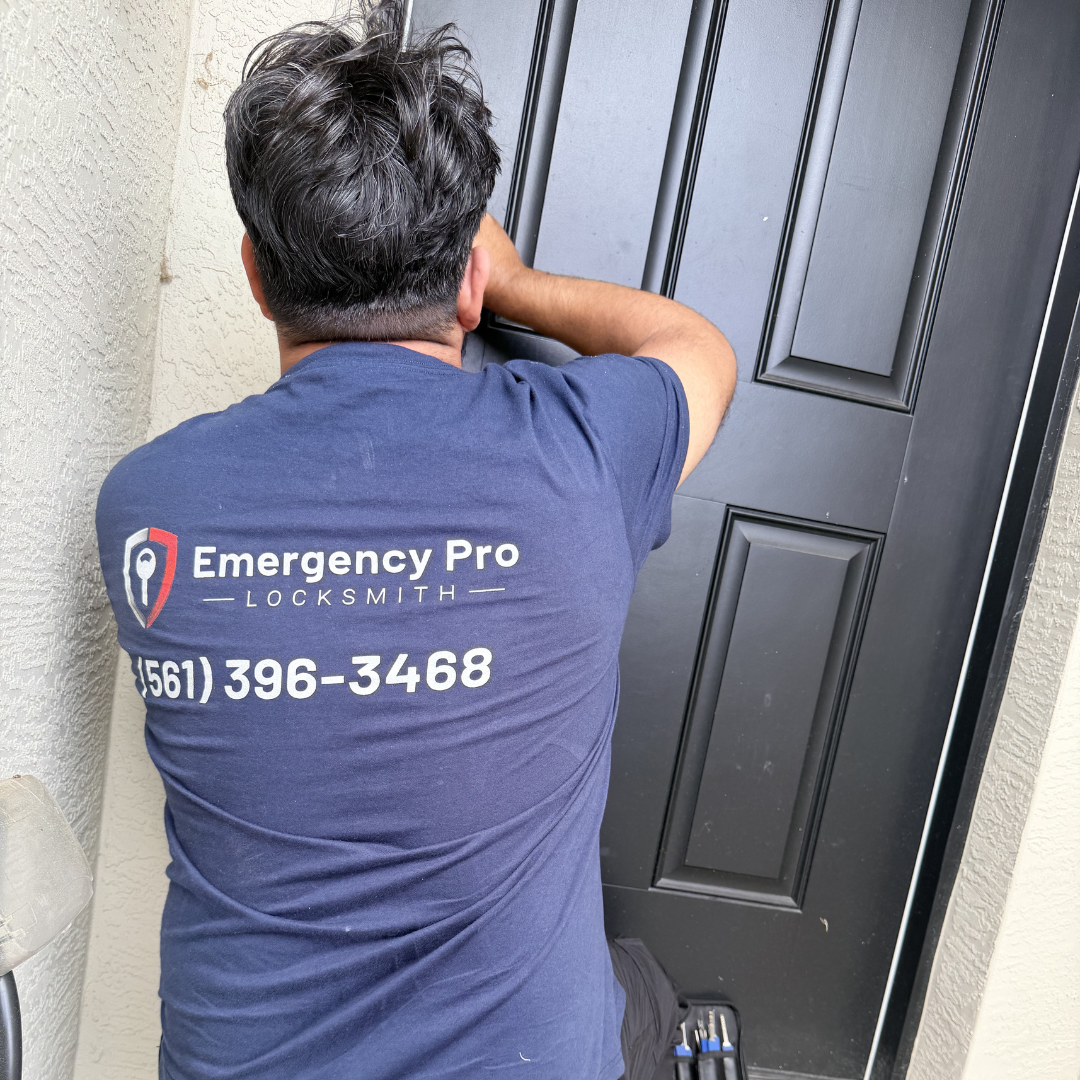
If you notice any significant functional problems or extensive visible corrosion, it’s best to call a professional. Attempting to force a corroded lock can cause further damage to the lock or even the door itself. An experienced locksmith can:
- Assess the damage: Determine if the lock can be repaired or needs replacement.
- Expertly repair or replace: Safely remove seized locks and install new, corrosion-resistant hardware.
- Recommend the best solutions: Advise on the most suitable lock types and maintenance strategies for your coastal environment.
For serious issues or if you need reliable new lock installation, our Residential & Commercial Locksmith Services are here to help.
DIY Fixes vs. Professional Locksmith Services
While some minor lock issues can be tackled with a DIY approach, knowing when to call a professional can prevent further damage and ensure your home’s security.
When to DIY
- Minor stiffness: If the key feels a bit sticky, try applying a dry lubricant like graphite powder.
- Surface rust: If only minor surface rust is present and the lock still operates smoothly, you can gently clean it with a wire brush and apply a rust inhibitor.
- Preventative maintenance: Regular cleaning and lubrication are essential DIY tasks for all homeowners in coastal Florida.
When to Call Emergency Pro Locksmith
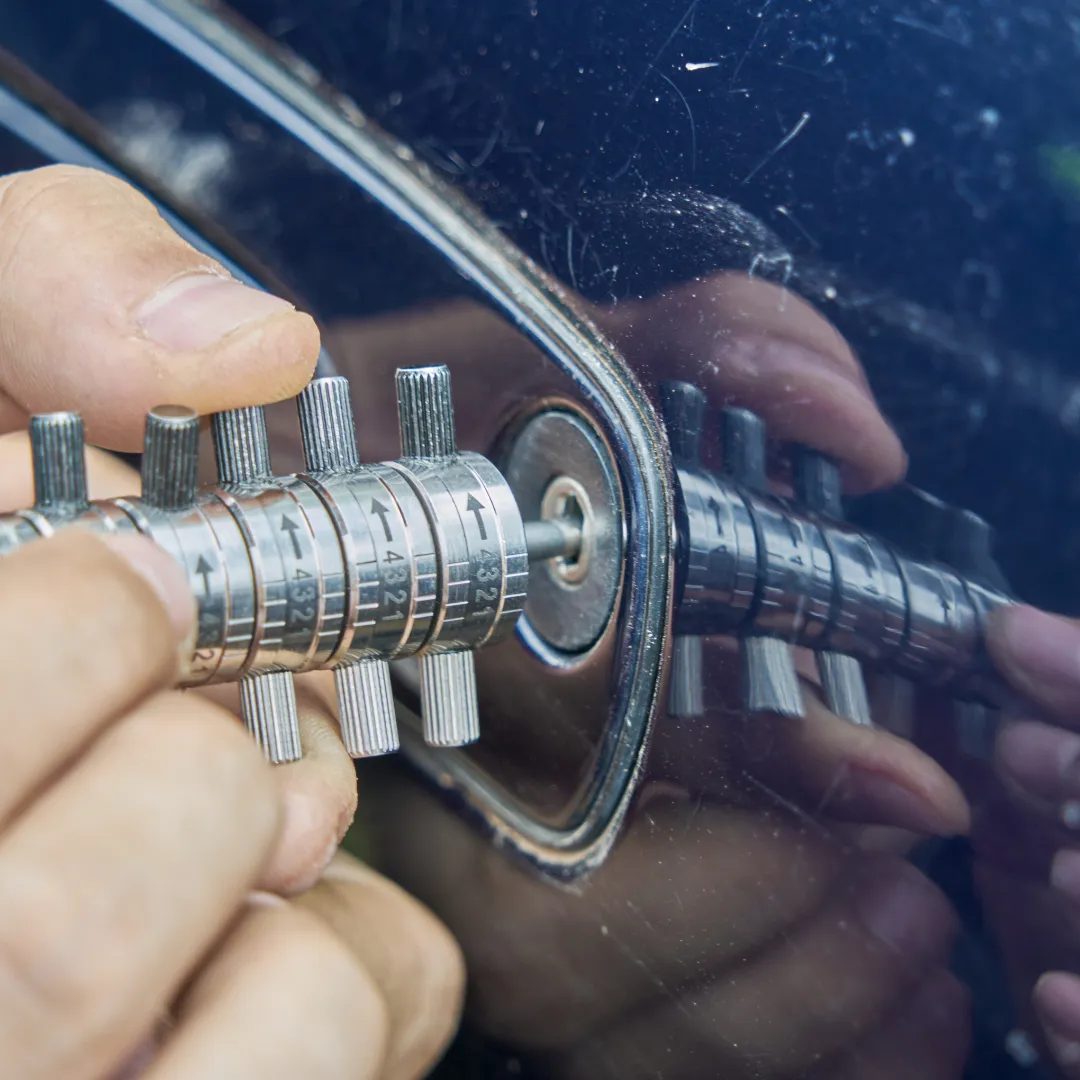
- Seized lock: If the lock is completely jammed or requires excessive force to operate, a professional can often save the lock without damaging the door.
- Broken key in lock: Attempting to remove a broken key can push it deeper, making extraction more difficult.
- Extensive corrosion: If the lock is heavily corroded, internal components may be compromised, requiring professional repair or replacement.
- Security concerns: After a break-in attempt or if you feel your current locks are inadequate, a locksmith can upgrade your security.
- New lock installation: For optimal performance and warranty, new lock installations, especially for high-security or smart locks, are best left to professionals.
If you’re dealing with a lock emergency, remember that our Emergency Locksmith Services are available 24/7.
The Cost of Ignoring Door Lock Corrosion
Ignoring corroded door locks in Florida isn’t just an inconvenience; it can lead to significant security risks and higher costs down the road.
Compromised Security
A corroded lock is a weak lock. It may not engage fully, making it easier for intruders to bypass. If a lock seizes and you can’t secure your home, you’re leaving your property vulnerable. This is particularly concerning during hurricane season when securing your home quickly becomes critical. Learn more about how to protect your home during extreme weather with our guide on Hurricane Season Lock Damage.
Higher Repair and Replacement Costs
A minor corrosion issue that could have been resolved with lubrication can quickly escalate into a full lock replacement if ignored. Corroded internal components can cause irreparable damage, making a simple repair impossible. Replacing a lock is always more expensive than preventative maintenance or a minor repair. The cost also increases if the corrosion has damaged the door itself, requiring carpentry work in addition to lock replacement.
Inconvenience and Lockouts
A corroded lock is more likely to seize unexpectedly, leading to frustrating and potentially dangerous lockouts. Imagine being locked out of your home in the middle of a hot Florida afternoon or late at night. Emergency locksmith services, while essential, can be more costly than scheduled maintenance. If you’re ever in this situation, our 24/7 Emergency Car Locksmith services also extend to residential lockouts.
FAQ
Common questions about door lock corrosion in Florida and how to address it.
Why do door locks corrode so quickly in coastal Florida?
Door locks in coastal Florida corrode quickly due to high humidity levels (often 70-90%), airborne salt particles from the ocean, and high temperatures that accelerate chemical reactions. These factors combine to create a highly corrosive environment for most metals.
What are the best types of locks for corrosion resistance in Florida?
For optimal corrosion resistance in Florida, consider locks made from solid brass, bronze, or marine-grade stainless steel (316L). Locks with advanced protective coatings like PVD finishes also offer superior durability against the elements.
How often should I lubricate my door locks in Florida?
It’s recommended to clean and lubricate exterior door locks in coastal Florida at least once every three months. For locks in highly exposed areas or during peak humidity seasons, more frequent lubrication might be beneficial. Use a dry lubricant like graphite or silicone spray.
Can I fix a corroded door lock myself, or do I need a locksmith?
Minor stiffness or surface rust can often be addressed with cleaning and lubrication. However, if the lock is heavily corroded, seized, or a key is broken inside, it’s best to call a professional locksmith. Attempting to force a corroded lock can cause further damage.
Are you insured for residential and commercial locksmith work?
Yes, Emergency Pro Locksmith is fully insured for all residential, commercial, and automotive locksmith work in Port Saint Lucie and the surrounding Treasure Coast area. We prioritize your peace of mind and the integrity of our services.
How can I prevent future door lock corrosion after a repair?
To prevent future corrosion, regularly clean and lubricate your locks with dry lubricants, consider installing corrosion-resistant locks (solid brass, stainless steel), and ensure good drainage and weather protection around your doors. Applying a clear protective coating can also add an extra layer of defense.
Explore Our Services
- Emergency Locksmith Services
- Automotive Locksmith Services
- Residential & Commercial Locksmith Services
- 24/7 Emergency Car Locksmith
Need Expert Help with Door Lock Corrosion in Port Saint Lucie?
Don’t let door lock corrosion in Florida compromise your home’s security or leave you locked out. If your locks are showing signs of corrosion, are stiff, or have completely seized, Emergency Pro Locksmith is here to help. We provide professional assessment, repair, and installation of corrosion-resistant locks throughout Port Saint Lucie, Fort Pierce, Stuart, Jensen Beach, and Vero Beach. Our team is ready to ensure your home remains safe and secure with durable, reliable locking solutions tailored for coastal Florida living.
Prefer to dial directly? +1 (855) 633-4705